Eco-Friendly Approaches: How E-Waste Recycling Services Are Preserving Our Planet
E-waste represents a considerable hazard to the environment, as abandoned electronic devices commonly carry harmful materials. Such dangerous compounds can pollute soil and water supplies, leading to broader ecological damage. Electronic waste recycling programs offer an effective remedy. They not only recover valuable resources but also mitigate pollution. Understanding how these services operate and their impact on communities is essential. The path to successful electronic waste management prompts vital discussions about personal accountability and communal efforts. What measures can be pursued from this point onward?
The Reasons E-Waste Is Damaging to the Planet
Even though technology enhances modern life, e-waste creates considerable environmental hazards. Discarded electronic devices, frequently composed of toxic substances including lead, mercury, and cadmium, are capable of seeping pollutants into the surrounding soil and water supply, creating hazards for human health and ecosystems. The rapid pace of technological advancement leads to greater consumer replacement of electronic devices, intensifying the growing problem of e-waste.
Landfills, already strained by waste, are unable to keep up with the rising quantities of abandoned electronics. Incineration, another disposal method, releases harmful pollutants into the atmosphere, contributing to air quality degradation. Furthermore, inadequate recycling methods can result in the shipment of electronic waste to underdeveloped nations, where workers may break down equipment without proper protective measures, putting themselves at risk of exposure to hazardous materials. This pattern of negligence and mismanagement highlights the critical demand for eco-friendly recycling alternatives that can reduce the damaging impact of electronic waste on the environment.
What Is E-Waste and Why Is It Important?
Electronic waste, commonly known as e-waste, comprises unwanted electronic equipment including computers, smartphones, and televisions that are no longer functional or needed. This rapidly expanding waste category is noteworthy due to its rapid accumulation, driven by technological advancements and consumer trends. As more devices become obsolete, the ecological consequences become more pronounced, with harmful substances like lead, mercury, and cadmium posing risks to ecosystems and human health.
The significance of tackling e-waste extends beyond minimizing these risks to recognizing the valuable resources it holds. Critical metals and rare earth components can be reclaimed and recycled, decreasing the reliance on mining and protecting natural resources. With a thorough understanding of e-waste and its impact, people and organizations alike can make educated decisions about disposal and recycling, helping to build a more sustainable world. Responsible management of e-waste plays a key role in supporting a circular economy and championing environmental stewardship.
The Way E-Waste Recycling Functions
Recycling e-waste involves a systematic process intended to extract beneficial components while limiting ecological damage. To begin, discarded electronics are retrieved and sent to specialized recycling facilities. Upon arrival, the equipment is meticulously organized to distinguish harmful elements from reusable resources.
Next, technicians take apart the electronics, recovering plastics, metals, and glass. This phase is essential, as it facilitates the recovery of precious metals like gold, silver, and copper, which can be recycled in new electronics.
Following this, the divided materials are treated via sophisticated techniques, such as shredding and specialized chemical treatments, to cleanse them for recycling.
Ultimately, the remaining hazardous materials are disposed of responsibly, adhering to eco-friendly standards. This systematic method not only preserves valuable resources but also mitigates the risks linked to improper e-waste disposal, securing a more eco-conscious future for the consumption of electronics.
How E-Waste Recycling Benefits You and Your Community
While many individuals may not realize it, the benefits of e-waste recycling extend beyond personal convenience to positively impact entire communities. By carefully processing electronic waste, individuals play a role in creating a healthier environment, minimizing harmful substances that can leach into soil and water. This responsible method actively safeguards local ecosystems and advances public health.
In addition, the recycling of e-waste encourages workforce growth within communities. Nearby recycling establishments regularly need employees for various operations, including collection and processing, thus generating valuable job opportunities for local residents. This not only enhances the community economy but also fosters community involvement in eco-friendly practices.
Furthermore, familiarity with e-waste recycling may result in learning opportunities, encouraging residents to embrace sustainable practices. By enrolling in e-waste recycling programs, individuals promote a culture of sustainability, motivating others to embrace similar practices. In summary, the cumulative impact of these actions can contribute to a more resilient and environmentally responsible community.
How to Choose an E-Waste Recycling Service
Choosing the most suitable e-waste recycling service is essential for guaranteeing that electronic waste is managed responsibly and sustainably. First, people should check the service's certifications, such as R2 and e-Stewards certifications, which demonstrate adherence to professional guidelines for safe recycling practices. Additionally, it is advisable to evaluate the organization's standing by reviewing feedback and looking for advice from dependable sources.
Moreover, clarity in the recycling process is essential. A dependable service should supply straightforward details about the manner in which e-waste is managed and what becomes of the materials. Additionally, See more considering the scope of services provided can prove valuable; various firms may supply retrieval services or extend benefits for recycling.
Finally, learning about area-specific requirements for e-waste disposal may further shape the evaluation process. When these considerations are given priority, people are able to support responsible e-waste disposal alongside encouraging environmentally responsible practices.
How You Can Take Part in E-Waste Recycling?
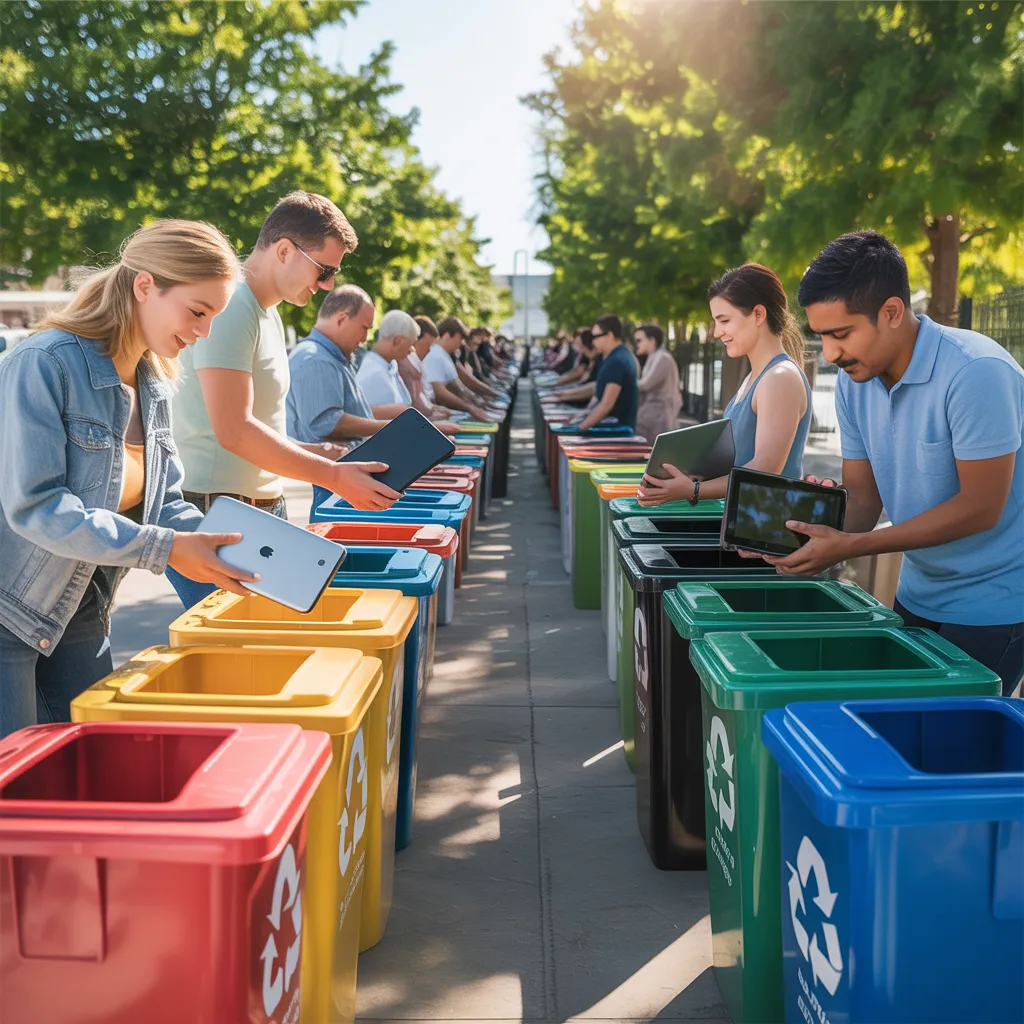
Engaging in e-waste recycling often starts at the local level, where community recycling hubs regularly supply essential services for responsible disposal. Moreover, joining community awareness campaigns can enhance efforts to educate others about the importance of proper e-waste handling. These initiatives not only promote sustainability but also build a collective sense of accountability for the environment.
Nearby Recycling Facilities
Several local recycling centers perform an important function in electronic waste recycling, giving communities practical solutions to manage electronic waste appropriately. These stations receive a range of digital devices, including aging computers, cell phones, and television sets, verifying that toxic materials are disposed of safely. The majority of facilities employ qualified professionals who support individuals in understanding proper disposal practices, highlighting the value of recycling rather than landfilling. Furthermore, various hubs coordinate planned drop-off gatherings or set collection days, making it easy for residents to participate. Through the use of these community services, individuals contribute to a circular economy, lowering environmental harm and encouraging sustainable habits. Connecting with these stations empowers communities to take action against e-waste pollution effectively.
Community Education Campaigns
Local organizations, schools, and businesses can partner to arrange initiatives that encourage e-waste collection drives. Volunteers can play a pivotal role in raising awareness, sharing informational resources, and connecting with local residents. Through these collective efforts, residents become more informed and motivated to recycle their electronic waste, thus playing a meaningful role in creating a more environmentally responsible future.
Questions We Often Receive
Which Types of Electronics Are Recyclable?
A wide range of electronics may be recycled, including computers, smartphones, televisions, laptops, gaming consoles, and printers. Additionally, ancillary devices such as batteries, keyboards, and mice are well-suited for recycling, promoting sustainable environmental practices.
Do Any Costs Come With E-Waste Recycling?
Indeed, e-waste recycling can include charges, depending on the facility. Some facilities charge fees for collection or processing, while others provide no-cost solutions, frequently supported by the proceeds from salvaged materials.
What Are the Benefits of E-Waste Recycling for Businesses?
Organizations can gain from e-waste recycling by minimizing disposal costs, strengthening their ecological standing, meeting compliance standards, extracting valuable resources, and creating potential earnings via resale, thus supporting a greener and more sustainable operational framework.
What Becomes of Data on Recycled Devices?
Data regarding recycled electronics is frequently completely removed or obliterated during processing. This ensures private details stays protected, stopping improper access while allowing resources to be repurposed carefully and ethically across new manufacturing processes.
Are Broken Electronics Eligible for Recycling?
Yes, broken electronics may be recycled. A wide range of centers accept defective devices, guaranteeing responsible disposal and extraction of recoverable materials. This effort helps decrease environmental impact while fostering eco-friendly recycling methods to handle electrical waste efficiently.